

PUMP Valuation Breakdown: Debunking On-Chain Data “Wash Trading” Narrative, Where Does the Real Discount Come From?

Original Article Title: "IOSG Weekly Brief | $PUMP Valuation Breakdown: Debunking On-Chain Data 'Wash Trading' Narrative, Where Does the Real Discount Come From?"
Original Article Author: Max Wong, IOSG Ventures
Introduction
Pump.fun launched in early 2024 as a permissionless Meme Launchpad on Solana, allowing anyone to create and trade tokens within seconds through a Bonding Curve mechanism. The project started as a niche experiment but quickly became one of the highest-grossing applications on the public blockchain.
Between 2024 and 2025, Pump.fun's daily protocol revenue continued to rival or even surpass Hyperliquid's, and the Meme market it operates in naturally exhibits strong cyclicality, making this number more noteworthy. The native token $PUMP was issued through a $600 million ICO at $0.004, with a FDV of $4 billion.
In the past few months, revenue reached an all-time high, the token's value doubled, but the current price of $PUMP is around $0.0019, a decrease of about 80% from the ATH of $0.086 (corresponding to a $86 billion FDV). The current market cap is around $679 million, with a FDV of $1.9 billion. The gap between revenue trends and valuation is evident.
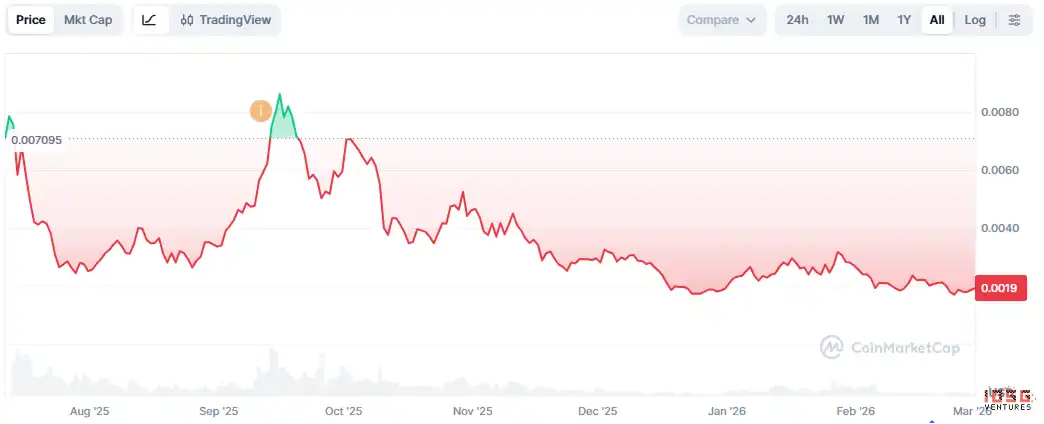
This report outlines Pump.fun's product evolution and ecosystem strategy, stress-tests whether its revenue has any fluff, and assesses whether the current valuation is a pricing discrepancy or a reasonable markdown for real risks.
Product Portfolio
Pump.fun is no longer just a Launchpad. Since the end of 2024, it has begun to expand into peripheral businesses, diversifying its sources of revenue and deepening its control over on-chain speculative traffic.
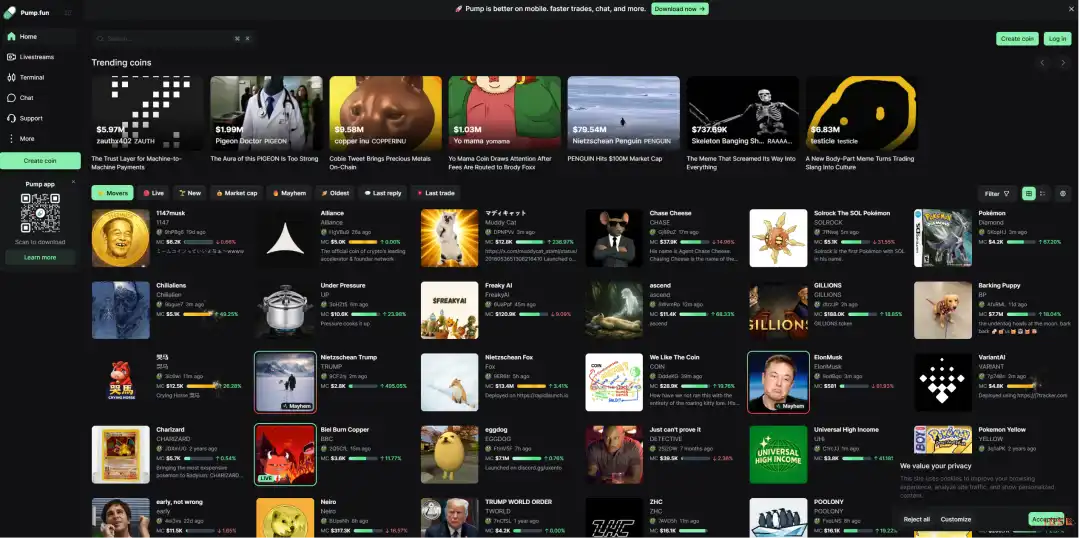
Launchpad (Core Product)
The earliest product, also the starting point for brand awareness. Anyone can deploy a token by paying a small fee.
PumpSwap
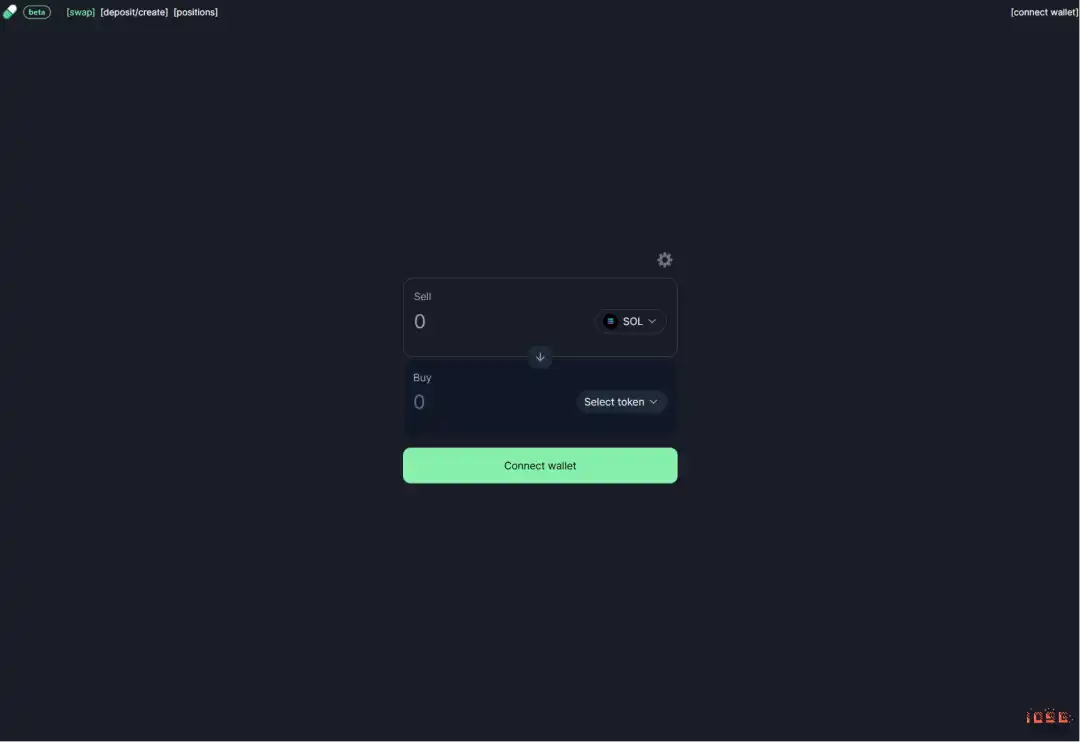
PumpSwap is Pump.fun's self-built AMM DEX, launched in March 2025, with a very direct purpose: to reclaim the graduation fees previously flowing to Raydium (Raydium charges 6 SOL for each graduation token). After a fee rate update in May 2025, the protocol charges 0.05% per transaction, LPs receive 0.20%, and the token issuer gets 0.05%.
Features include: create a liquidity pool for any token for free, add liquidity to existing pools, list tokens on the PumpSwap trading platform.
Padre / Pump Terminal
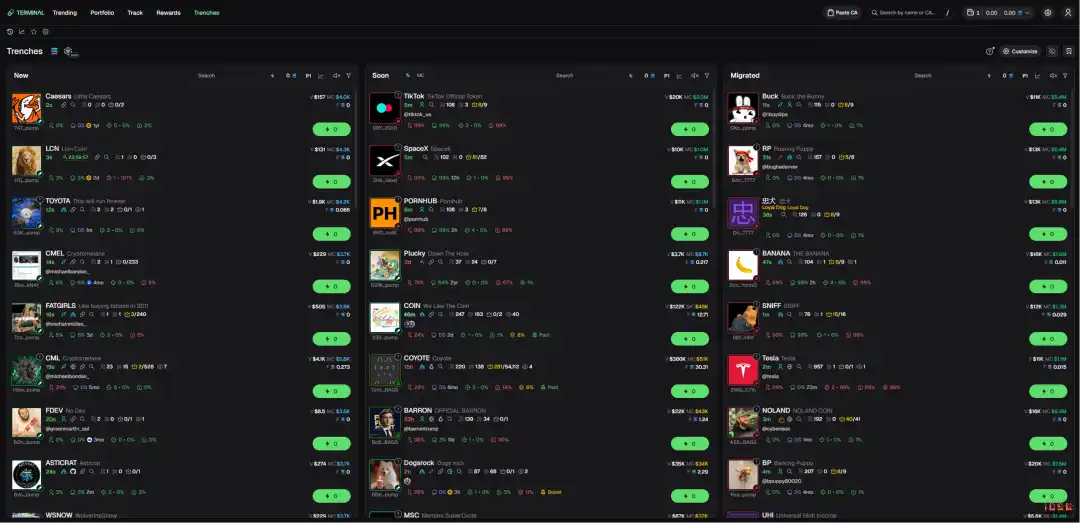
Padre was renamed Terminal after being acquired by Pump.fun, positioned as a professional trading terminal, currently supporting Solana, BNB, Base, and ETH.
Similar to features of other terminals: Trenches (view tokens with upcoming/new migrations), custom interface, sniping and instant buy-in, multi-wallet strategy, and rug pull detector.
Pumplive
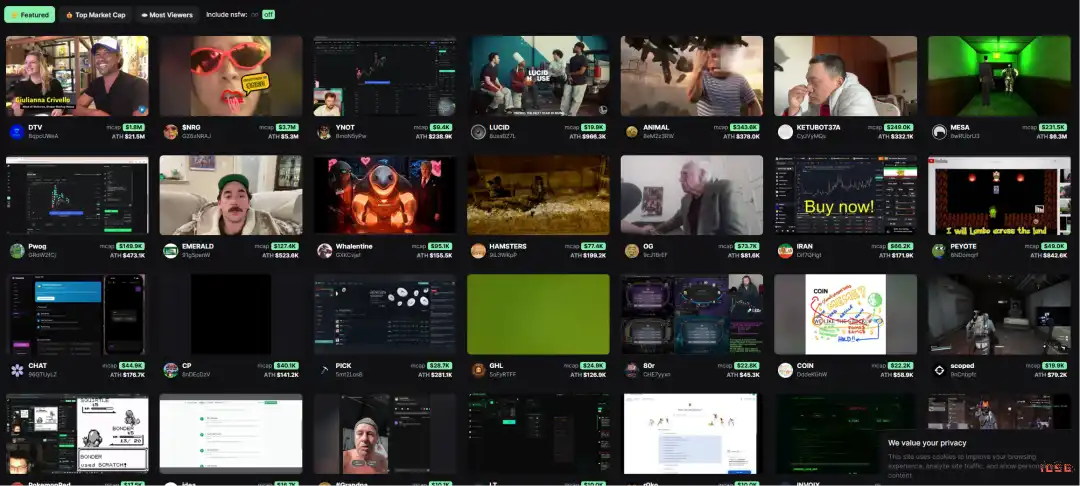
Pumplive is the platform's live streaming feature, where broadcasters can associate a token when creating a live stream.
The logic is "publisher as exchange," similar to Parti and Kick/stake.com models: broadcasters aim to drive trading volume as they take a cut from total fees; token holders seek more trading volume and buying pressure. The more the broadcaster streams, the more active the token becomes, resulting in higher trading volume.
Ecosystem Initiatives
Since the TGE, Pump.fun has approximately $1 billion in cash reserves and continues to promote new product lines (such as the Padre acquisition), while engaging in several initiatives:
Pumpfund
A $3 million BiP (Build in Public) hackathon launched on January 19, 2026. Using a $10 million valuation as a reference, it provides $250,000 in funding to each of the 12 projects. The selection criteria lean towards market-driven selection based on public attention, bypassing the traditional VC review process.
Glass Full Foundation
GFF is a liquidity injection plan launched in August 2025. Deploying approximately $1.7 million (2,022 SOL) across 10 tokens (including Tokabu 21.3%, House 20.6%, USDUC, NEET, MASK, FART, etc.) through 5 transparent wallets, with a preference for projects with high community participation.
Project Ascend
A creator incentive program launching in 2025, with a core feature of dynamic tiered creator fees (0.95% to 0.05%), aiming to increase creator earnings tenfold while expediting the CTO (Community Takeover) application process.
Composite Metrics (All Products)
The table below summarizes three product lines. 2025 figures are actual data, while 2026 represents expected operational rates.
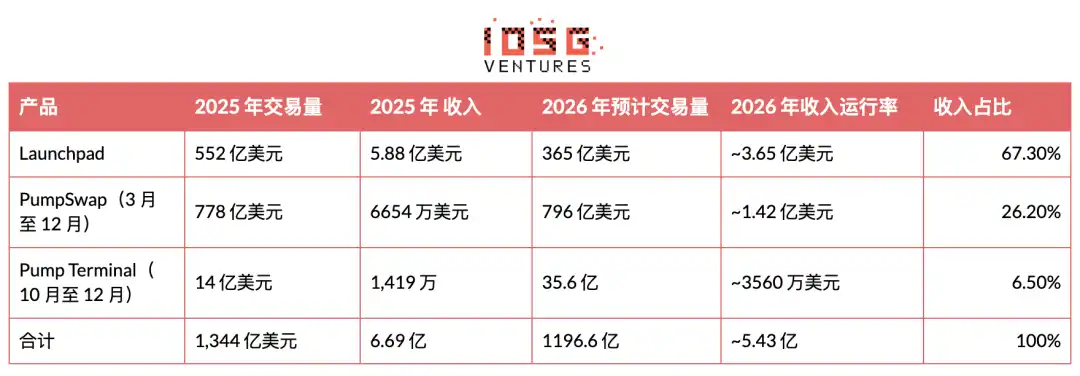
Currently, around 32.7% of total revenue comes from non-Launchpad products, showing the early signs of revenue diversification.
Currently, about 32.7% of the platform's total revenue comes from non-Launchpad products, clearly indicating its initial success in achieving revenue diversification and pursuing growth in other areas.
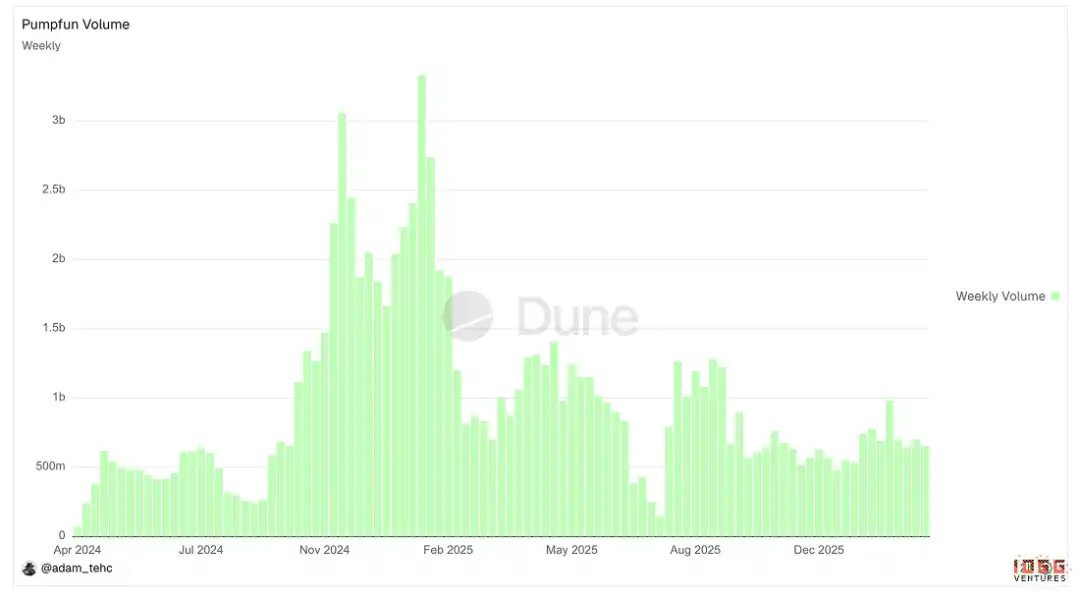
▲ Pumpfun Trading Volume Chart
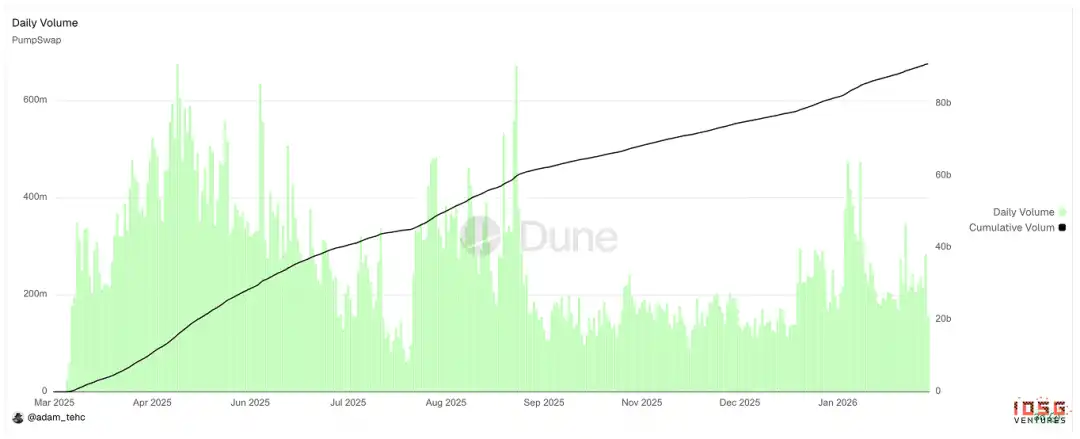
▲ Pumpswap Trading Volume Chart
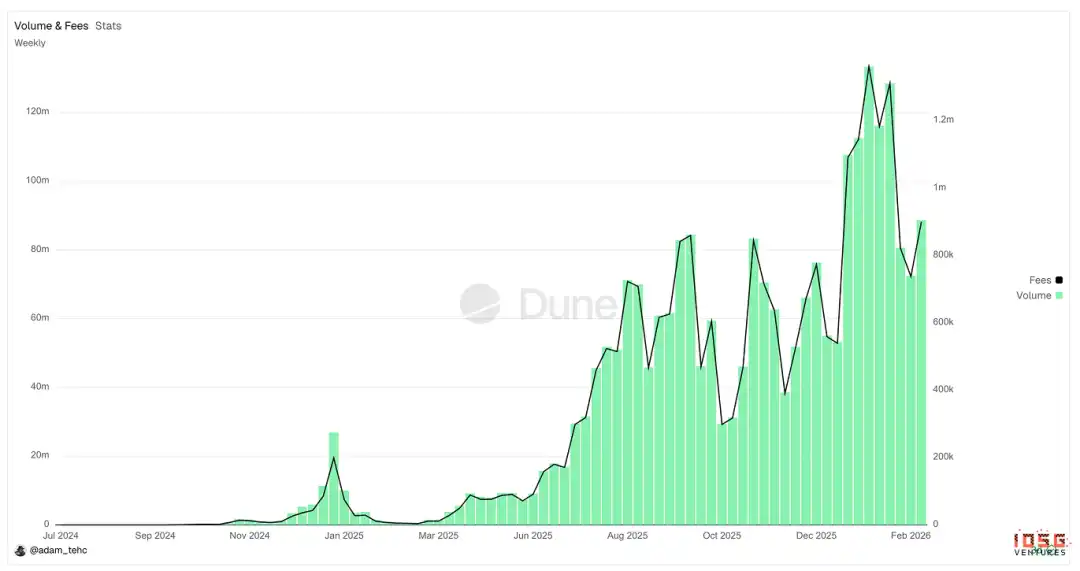
▲ Padre/Pump Terminal Trading Volume Chart
Is Pump.fun Engaging in Trade Volume Inflation?
The surface fundamentals of $PUMP may seem strong, but the core question is: Does the trading volume truly reflect real economic activity, or is it inflated by users and bots?
Volume Correlation Analysis
The logic is simple: in a natural market, Launchpad and PumpSwap volumes should be positively correlated with a time lag. Active Launchpad participation signifies genuine speculative interest, with some funds flowing into PumpSwap through the graduation mechanism to support post-listing trading.
If there is significant wash trading, this relationship will break down. Launchpad volume is artificially inflated, token graduation occurs based on fabricated trading activity, and when entering PumpSwap, there are no real buyers. The result is a surge in Launchpad volume, stagnant or decreasing PumpSwap volume, leading to near-zero or negative correlation.
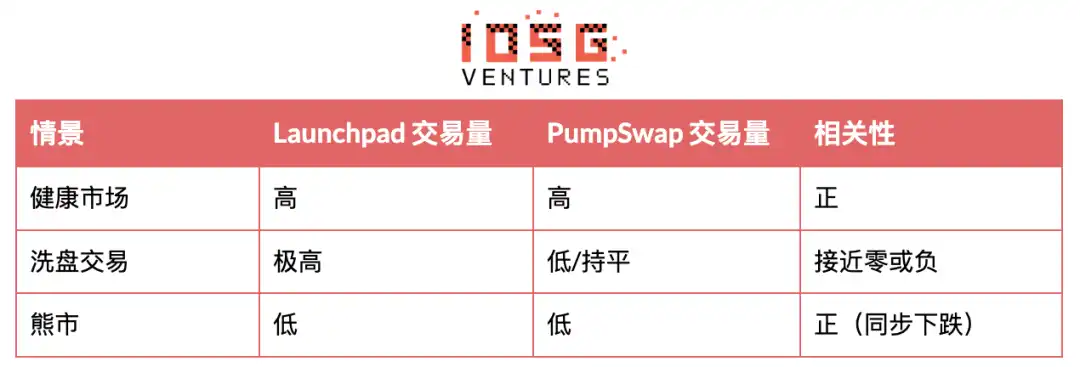
The most illustrative signal combination: Surge in graduation rate (more token holders artificially reaching the curve threshold), while the trading volume of a single token on PumpSwap is at a low level and rapidly declining, and PumpSwap liquidity depth has not increased in line with the number of graduation tokens.
Data from January 2026 to present:
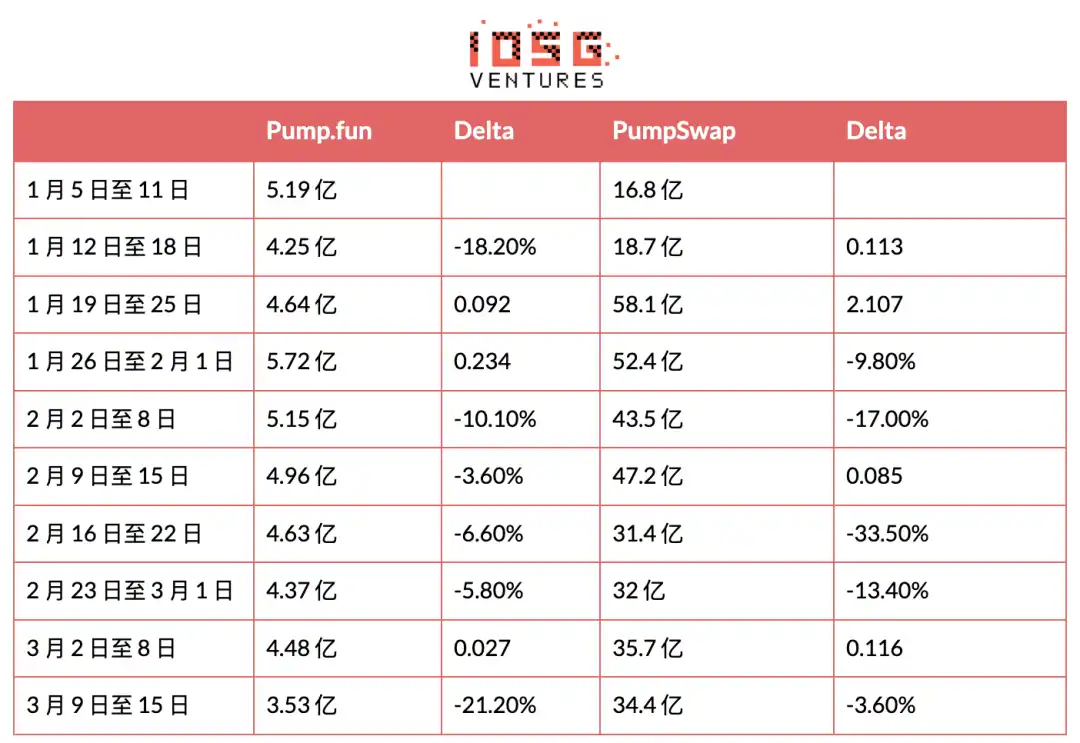
(The first two data points are anomalous due to PumpSwap fees and liquidity provider policy adjustments and were not included in the correlation analysis)

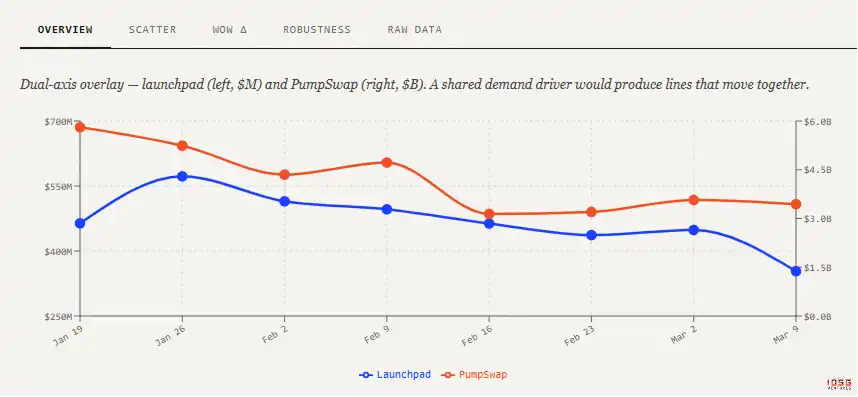
Findings:
Launchpad trading volume is very stable, fluctuating between 4 billion and 5.7 billion USD over 8 weeks (approximately 40% range). Given the large number of bundlers and wash traders maintaining the volume floor, this is not surprising.
PumpSwap shows a larger fluctuation, ranging from 35 billion to 58 billion USD during the same period (approximately 60% range), mainly driven by the mid-January surge in Meme trading demand and additional team incentive measures, but Launchpad did not see a corresponding increase in volume.
r = 0.579, moderate positive correlation. For a sample size of n=8, r>0.63 is needed when p<0.05, which did not reach the significance threshold, but the direction and strength are consistent with the organic growth hypothesis.
Pizza University Paper
Researchers from Pizza University conducted a comprehensive on-chain analysis of Pump.fun Launchpad, covering all transactions of 655,770 tokens issued from September to October 2025, differentiating between bot and human trading through Solana transaction log metadata.
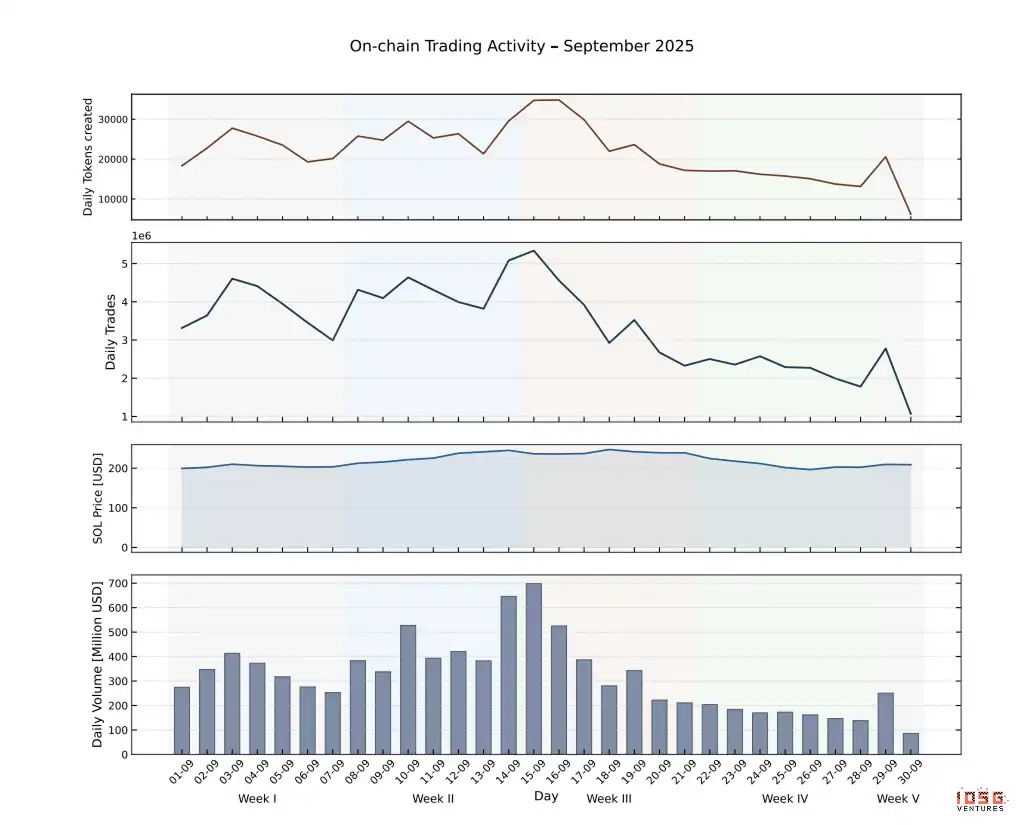
Four of the findings directly involve the issue of fake transactions.
Large artificial buy-ins are the strongest graduation predictor
The strongest graduation predictive signal is the rapid accumulation of SOL through small but large-value transactions. The median successful graduation only required about 457 transactions, taking approximately 4.4 minutes from token creation to graduation. This pattern (large-value, low-frequency fund injections from different wallets) is consistent with coordinated human speculation (Telegram group pumps, KOL hype) or pump and dumps, not high-frequency wash trading by bots. Instead, token-dominated by bots accumulate numerous small transactions and then stagnate before graduation.
Rise of the Bots Actually Suppresses Graduation
Post early curve stages, robot activity has systematically suppressed the token graduation probability. Graduation back then required accumulating around 85 SOL within the curve. While one might expect a higher graduation rate for active robot tokens due to front-running, the data shows the contrary.
The reason is structural: Upon graduation, the Bonding Curve transitions from a virtual reserve to a real AMM reserve, causing a significant drop in effective liquidity depth. Selling before graduation (leveraging the depth supported by the virtual reserve) is more profitable than selling after graduation.
The research also found that in September 2025, each of the top ten token issuers released over 2,000 tokens within a month, with each token experiencing statistically anomalous wallet cluster-initiated sell sequences before reaching the graduation threshold. Arb traders and sniper bots pre-positioned themselves, selling off as retail demand surged due to the curve's rise.
Paper Conclusion: Most bots on the platform are frontrunners, capturing value from human trading counterparts upon entry and exit, not wash traders attempting to hit the graduation threshold. Bots accumulate a large supply through front-running, then sell to retail near graduation. This is distinct from wash trading.
SOL Net Flow Remains Positive, Structurally Incompatible with Wash Trading
The paper computed the SOL net flow for the entire dataset (SOL total used in the curve minus the total SOL extracted from sells). During the observed single-month period, the ecosystem cumulatively retained a net of around 160,000 SOL (approximately $32 million USD at September 2025 prices).
This serves as a robust check against wash trading: Circular trading volume between associated wallets would result in a net capital flow close to zero as buys and sells offset each other. The $32 million USD net retention is structurally incompatible with large-scale circular trading volumes, indicating a continuous influx of real external retail capital into the Launchpad, with a 1.25% fee loss per trade generating revenue for the protocol.
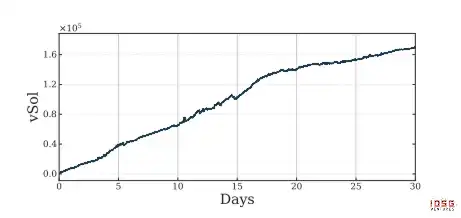
The paper's findings align with our correlation analysis of trading volume: A significant amount of trading volume on the Launchpad is generated by arb traders and snipers through ramp-and-dump tactics, creating a baseline volume but not wash trading. The key difference lies here: Wash trading results in zero net protocol revenue (due to offsetting fees between associated wallets), whereas ramp-and-dump incurs real fees per trade (from real retail trading counterparts paying fees to the platform). An estimated $390 million USD in ARR validates that the platform is monetizing real retail trading volume through ramp-and-dump tactics in the ecosystem, rather than manufacturing false metrics.
Tokenomics
Buyback
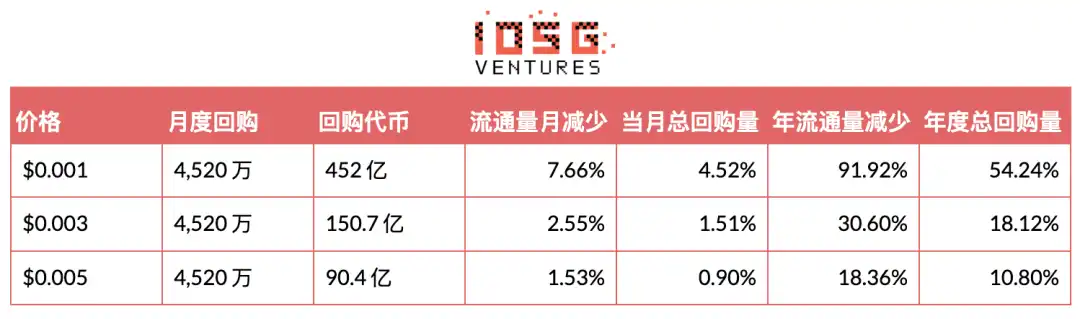
The Pump Foundation currently allocates 100% of all product line revenue to open market buybacks of $PUMP. Since the announcement of the 100% revenue buyback on July 15, 2025, within 8 months:
27% of the circulating supply has been bought back, clearing 9.6% of the total supply.
Comparison: Since the buyback initiation in November 2024, Hyperliquid has only burned 4.1% of the total supply (approximately 12.3% of the circulating supply).
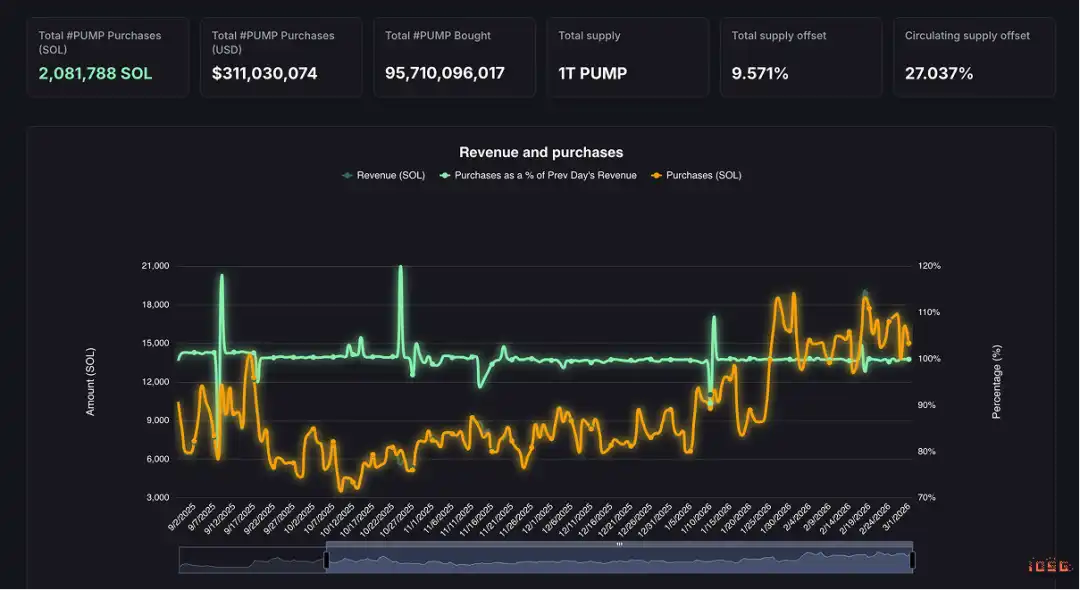
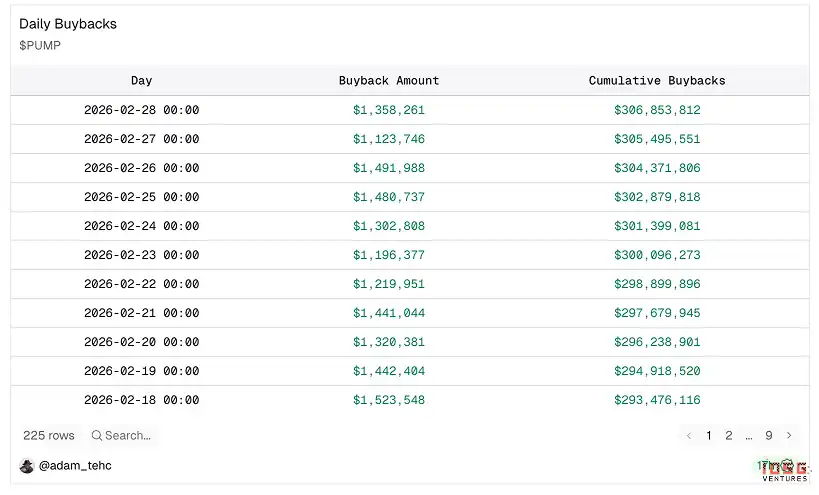
Based on current price and revenue, the annualized circulation clearing ratio is close to 45%.
Supply Structure and Unlocking
Total Supply: 1,000,000,000,000 PUMP
Circulating Supply: 430,000,000,000 (43%)
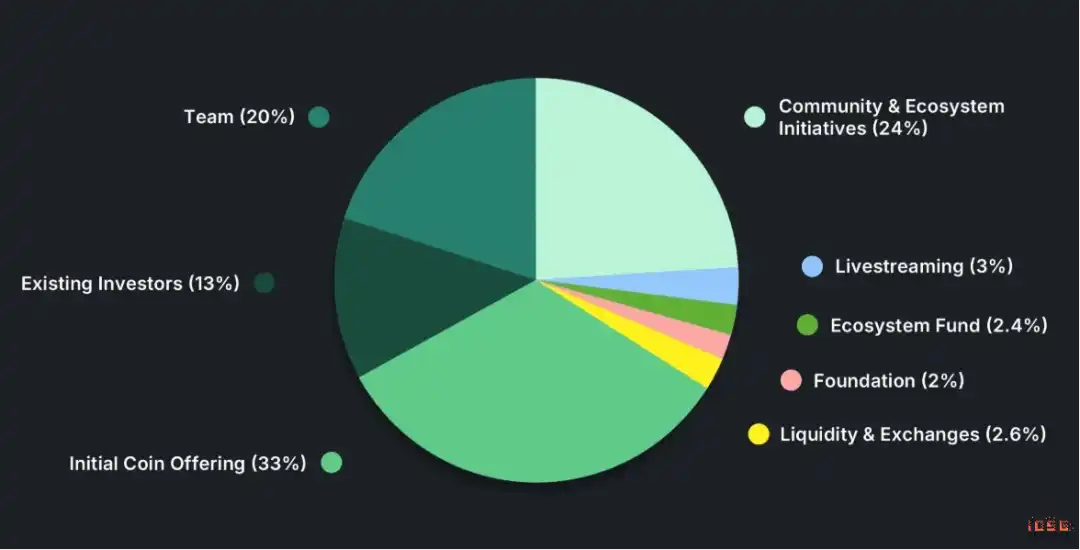
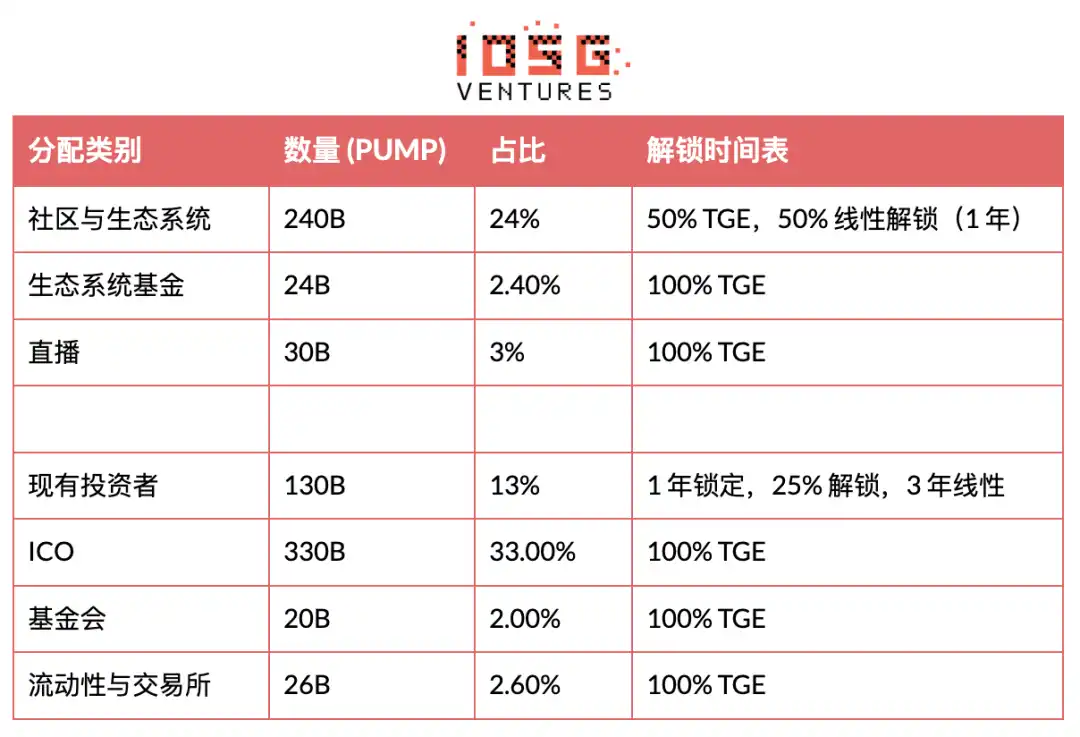
Remaining Lockup: Approximately 58% of the total supply
Major Unlocking Events: Ongoing: 12% (as of July, 2% monthly for community and incentives) July 2026: Unlocking 8.25%, then 0.68% monthly for 36 months
Valuation Analysis
If wash trading analysis holds, $PUMP is undervalued, presenting asymmetric upside potential.
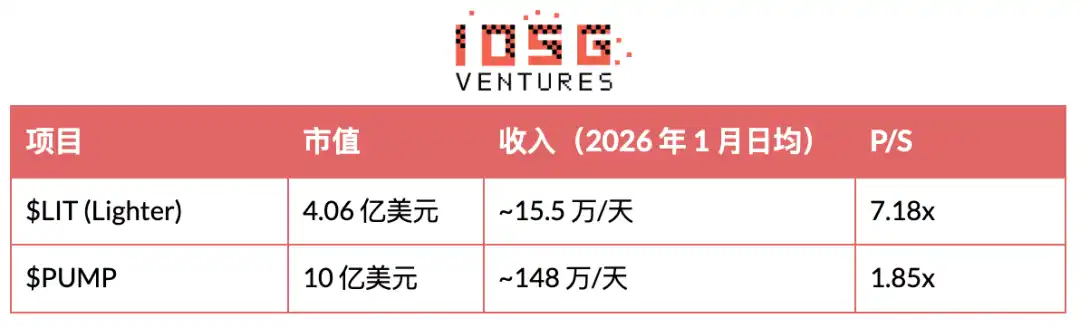
Discount comes from three aspects:
· Market Doubts Revenue Sustainability
The market perceives Pump.fun's overall platform trading volume as speculative, cyclical, and linked to short-term meme activities. Investors view the current profitability as temporary. At the current P/E ratio, buybacks have a margin-enhancing effect financially, but this is not factored into the valuation model because the underlying assumption is that revenue will significantly contract. The debate is not about whether Pump.fun is profitable now, but whether it will still be profitable 24 months from now.
· Institutional Coverage Gap
We interviewed 15 tier 1 hedge funds and VCs to understand their views on $PUMP. Out of the 15, only 1 actively tracks $PUMP with a bottoms-up analysis. Most institutions have not modeled the new product suite, have not disaggregated revenue by product line, and have not stress-tested transaction volume sustainability.
The coverage gap has created a narrative vacuum, where pricing is more driven by market perception rather than financial analysis. In contrast, $HYPE has deeper institutional support, more research coverage, and a clearer product positioning, supporting a higher and more stable valuation multiple.
There is also a self-reinforcing effect: assets related to Meme infrastructure are automatically classified as speculative and short-term, and trading behavior follows suit. The market needs time and data over multiple cycles to update this cognitive framework. Valuation compression may persist until Pump's revenue withstands a broader crypto market pullback and institutional coverage expands, regardless of current cash flow.
Management Trust Not Yet Established
Investor concerns are focused on: long-term vision beyond the Meme, capital allocation discipline, product roadmap execution, and the transition from viral growth to a sustainable platform economy.
The market typically assigns lower valuation multiples to founder-led high-growth platforms until the platform demonstrates resilience in market fluctuations, proving that growth can translate into a sustainable platform economy. Until Pump demonstrates continuous revenue diversification and robust execution through products like PumpSwap and Pump Terminal, this discount is likely to persist.
You may also like

The Rise of Composable RWA

MAGA Up 350% in 24 Hours, PEPE Up 46% in One Day: Which Memecoins Are Next in 2026?
MAGA +350% in 24hrs. PEPE +46% in one day. RAVE +4,500% then -90%. In 2026's memecoin market, the gains are real. So are the traps? Here's how to tell the difference before you buy.

RCD Espanyol vs Real Madrid: Can the Pericos Delay the Inevitable?
RCD Espanyol vs Real Madrid lineups, standings, and stats for May 3, 2026. Real Madrid visits RCDE Stadium as Barcelona closes in on the LALIGA title. Full preview inside.

MegaETH goes live with an FDV exceeding 2 billion USD. Which ecological projects are worth paying attention to?

Dialogue with "Wood Sister" Cathie Wood: The next bull market is about to arrive

Can prediction markets win the competition for perpetual contracts?

Who is trading on Trade.xyz?

Binance quietly placed a bet on a leading large model company

Best Crypto Discord Server 2026: Why Jacob’s Crypto Clan Is Gaining Massive Attention
Jacob’s Crypto Clan has grown into one of the most active crypto Discord communities, with over 45K members and continuing to expand. This rapid growth reflects strong demand for structured trading insights and real-time collaboration.

Tom Lee Buying ETH: Why Wall Street’s Loudest Ethereum Bull Keeps Doubling Down
Tom Lee keeps buying ETH through every dip, every drawdown, and every moment of market doubt. Inside the strategy that's turning Ethereum into a treasury asset — and what it signals for the rest of the market.

Stripe Sessions 2026: AI Agent, Global Payments, and Invisible Crypto Infrastructure

Where will South Korea's cryptocurrency taxation head?

Legendary investor Naval: Apple is dead, SaaS will follow suit, and entrepreneurs have 18 months to reshape their moats

Morning Report | Visa includes Polygon in its global stablecoin settlement program; MoonPay invests $100 million to acquire security company Sodot; Digital wallet platform Belo completes $14 million Series A financing

Full text of the Federal Reserve's decision: Holding steady for the third consecutive time but increasing divisions

Dan Bin takes action, building a position in Circle
The Impossible Triangle of DeFi Lending

Bitcoin ETF News: Why Bitcoin Is Falling Even After $2.43B ETF Inflows in April
Bitcoin ETF news today shows $2.43B in April inflows as institutions absorbed thousands of BTC, yet the price dropped from $79K to $76K. Traders are now watching whether the $80K resistance breaks or triggers another pullback.
The Rise of Composable RWA
MAGA Up 350% in 24 Hours, PEPE Up 46% in One Day: Which Memecoins Are Next in 2026?
MAGA +350% in 24hrs. PEPE +46% in one day. RAVE +4,500% then -90%. In 2026's memecoin market, the gains are real. So are the traps? Here's how to tell the difference before you buy.
RCD Espanyol vs Real Madrid: Can the Pericos Delay the Inevitable?
RCD Espanyol vs Real Madrid lineups, standings, and stats for May 3, 2026. Real Madrid visits RCDE Stadium as Barcelona closes in on the LALIGA title. Full preview inside.
MegaETH goes live with an FDV exceeding 2 billion USD. Which ecological projects are worth paying attention to?
Dialogue with "Wood Sister" Cathie Wood: The next bull market is about to arrive
Can prediction markets win the competition for perpetual contracts?


